Skin barrier guide
How to repair a stressed skin barrier
When skin feels tight, stings or looks red, the outer layer is often under strain. Repair is usually about doing less and supporting the barrier consistently.
Pause the strong actives
Retinol, exfoliating acids and high-strength vitamin C can all sting on a stressed barrier. Stop them for a few weeks, then reintroduce one at a time.
A short pause is the most useful step in most barrier-repair routines.
Cleanse gently, moisturise generously
Use a mild, non-foaming cleanser once or twice a day. Hot water and harsh scrubbing remove the oils the barrier relies on.
Look for moisturisers that list lipids, such as ceramides, along with humectants. Apply them while skin is still slightly damp.
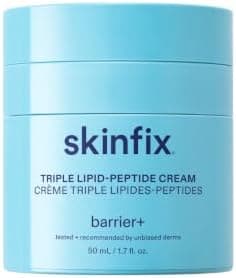
Skinfix Triple Lipid-Peptide Cream
- Cruelty-free
- Vegan
Paid link · Amazon US
Check current price on Amazon US (opens in a new tab)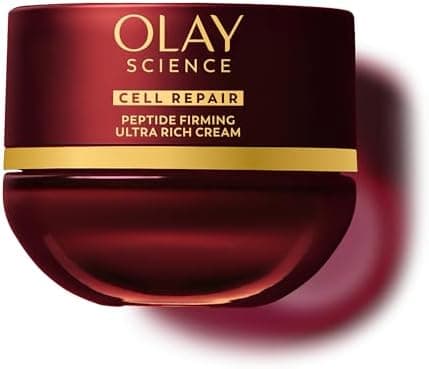
Peptide Face Moisturizer
- Hydrating
- Firming
Paid link · Amazon US
Check current price on Amazon US (opens in a new tab)Protect it by day
Daily sunscreen protects a repairing barrier from further stress. A gentle, fragrance-light formula is a sensible choice while skin recovers.
Know when to see a professional
Get medical advice if you have spreading redness, swelling, pain, blistering or no improvement after several weeks. Stop any product that burns or stings at once.
Questions readers ask
- How long does it take to repair a skin barrier?
- It varies. Many people notice comfort within a couple of weeks of gentler care, but a full recovery can take longer. Persistent symptoms need a professional.
- Should I apply actives on top of a repair cream?
- Most barrier-repair routines pause strong actives until skin feels calm. Reintroduce them one at a time, and patch test first.